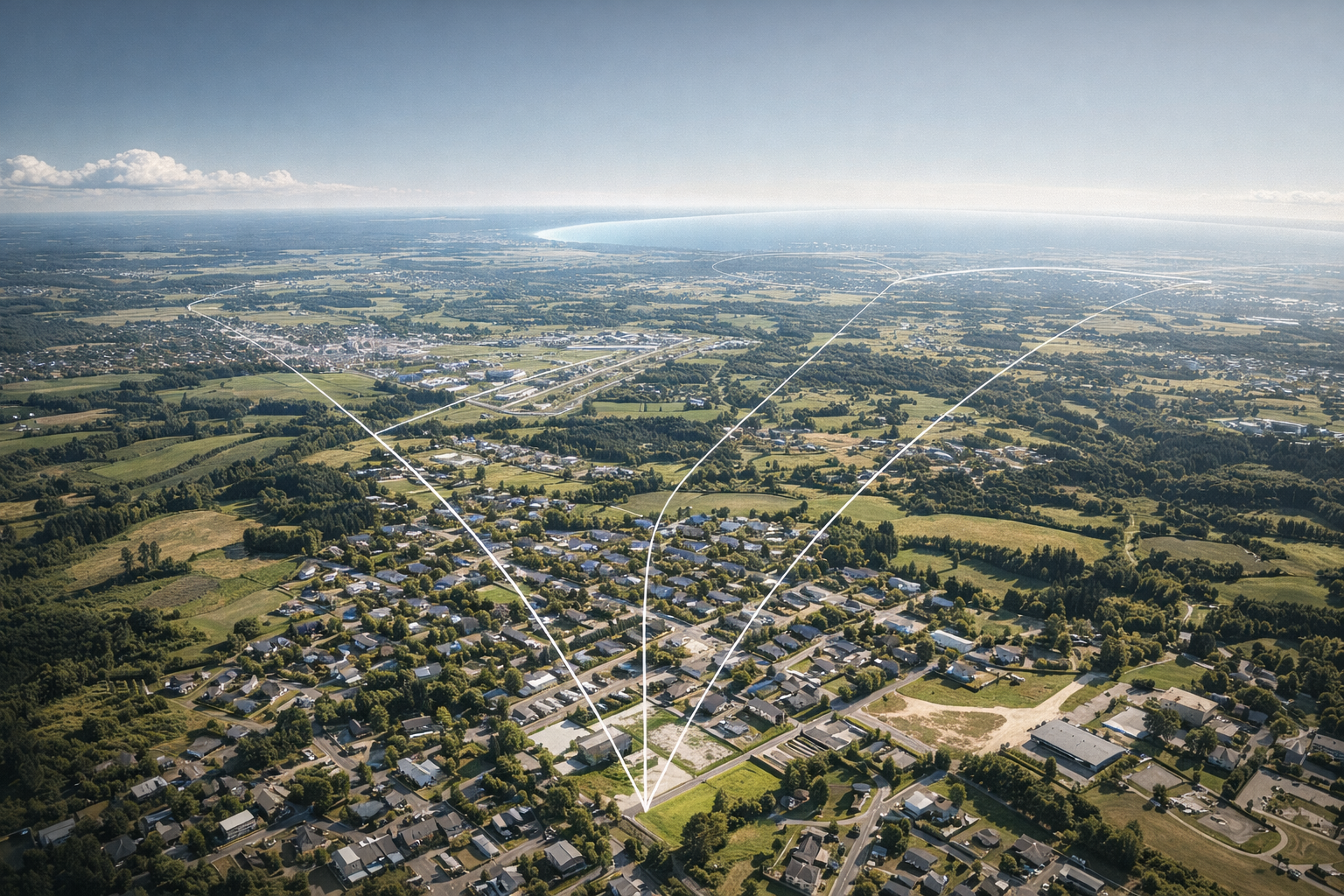
A National Prototype for Cultural, Economic & Civic Renewal
Windland™ SEEZ
Strategic Entertainment & Economic Zone
What Is Windland™?
Windland™ is a real place where ideas become environments.
It is a live, place-based prototype showing how Global Stage Management™ works in the real world — not as theory, but as streets, venues, culture, and everyday participation.
Built across a connected regional landscape, Windland™ brings entertainment, industry, community, and reinvestment into one coordinated system. It shows how culture can function as infrastructure, and how opportunity can be designed into place.
It demonstrates how regions can become engines of belonging, creativity, and shared prosperity.
A short introduction to Windland™ as GSM’s first live national prototype
The Windland™ Public Information Prospectus provides a clear, accessible overview of the region’s design logic, zone structure, participation pathways, and long-horizon development model.
It outlines how Windland™ operates as GSM’s first live national prototype — integrating culture, industry, workforce pathways, reinvestment architecture, and civic coordination into one interoperable regional system.
WINDLAND™ — PUBLIC INFORMATION PROSPECTUS
Why a Strategic Entertainment & Economic Zone

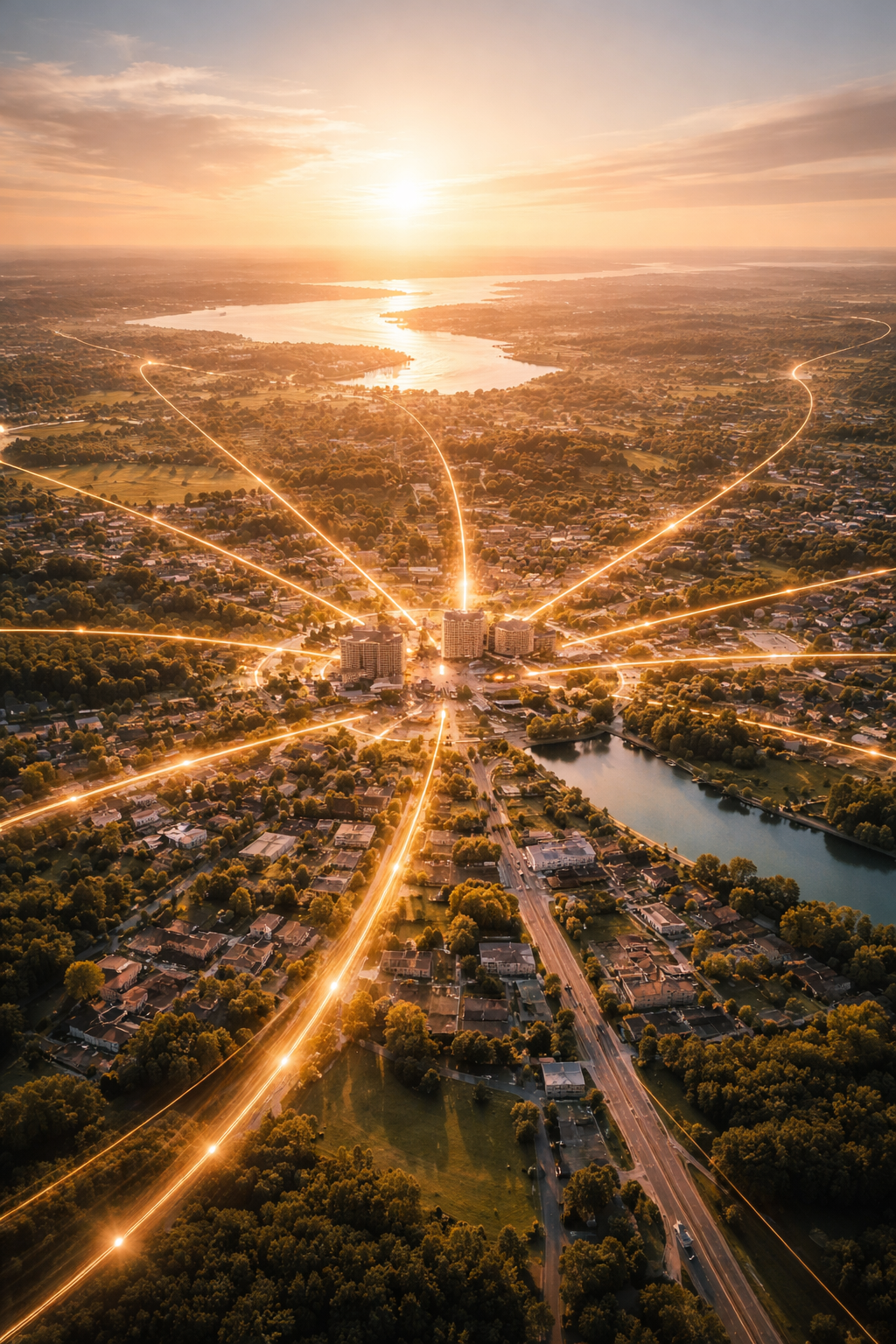
Windland™ is designed around a simple principle: regions don’t transform through isolated projects — they transform through coordinated systems embedded into place. A Strategic Entertainment & Economic Zone provides the structure for cultural, economic, human, and civic activity to move together as one environment, rather than operating in parallel or competition.
Entertainment plays a role, but it is not the centre of the model. It functions as a visible access point — drawing participation, identity, and momentum — while supporting a broader system that includes workforce development, enterprise formation, human capability pathways, civic coordination, and long-term regional stability.
What Windland™ demonstrates is how opportunity can be designed into geography itself. Streets, venues, industries, learning pathways, and public life are shaped to reinforce one another, allowing participation to become capability, and capability to become durable contribution over time.
Reinvestment is the logic that sustains the system. Rather than extracting value and exporting it elsewhere, Windland™ is structured so success strengthens the region — building skills, confidence, infrastructure, and continuity that compound across generations.
From Vision to Place
How GSM™’s systems become environments people can live, work, and participate in.
Global Stage Management™ is designed to move beyond concepts and frameworks into lived reality.
In Windland™, GSM’s principles take physical form — shaping places, participation, and economic flow in ways people can see, enter, and experience.
This transition comes to life below
Physical environments
Designed spaces that support creativity, exchange, and everyday participation.
Cultural participation
Public life shaped around belonging, contribution, and shared identity.
Value moving through people, places, and activity — not extracted, but reinvested.
Shared prosperity
From this foundation, Windland™ is organised into interoperable zones — each designed to serve a distinct role within the wider system.
The Seven Interoperable Zones
Windland™ is organised through a seven-zone architecture designed to operate as one coordinated system across the wider region. These zones are interoperable by design — they are not presented here as fixed boundaries or planning documents, but as functional roles that help culture, industry, governance, talent pathways, and community life move together rather than operate in isolation.
The design logic that allows Windland™ to function as a whole
The Seven Zones (Conceptual Roles)
IBFD™ — International Business & Financial District
Windland’s global-facing interface for enterprise, investment, and cross-border commercial activity.
FTLZ™ — Free Trade & Logistics Zone
The movement and throughput layer supporting trade, logistics, supply chains, and distribution capability.
ATRH™ — Advanced Technology & Research Hub
The innovation engine for R&D, applied science, advanced technology, and future-industry capability.
EMCEZ™ — Entertainment, Media & Cultural Exchange Zone
The cultural production and export layer — creative industries, media ecosystems, and identity-driven cultural exchange.
GTRZ™ — Global Talent & Residency Zone
The talent attraction and residency layer supporting long-term retention, lifestyle infrastructure, and human capital continuity.
HDVEZ™ — Human Development & Vocational Ecosystem Zone
The workforce and reintegration layer — education, skills pathways, wellbeing, and long-term capability formation.
CGLIZ™ — Civic-Governance Leadership Integration Zone
The coordination layer for civic leadership, public participation, cross-sector alignment, and governance interface.
Each zone has a distinct role — but their strength comes from how they interoperate, allowing culture, economy, talent, and civic systems to reinforce one another as a single regional engine.
Community, Culture & Belonging
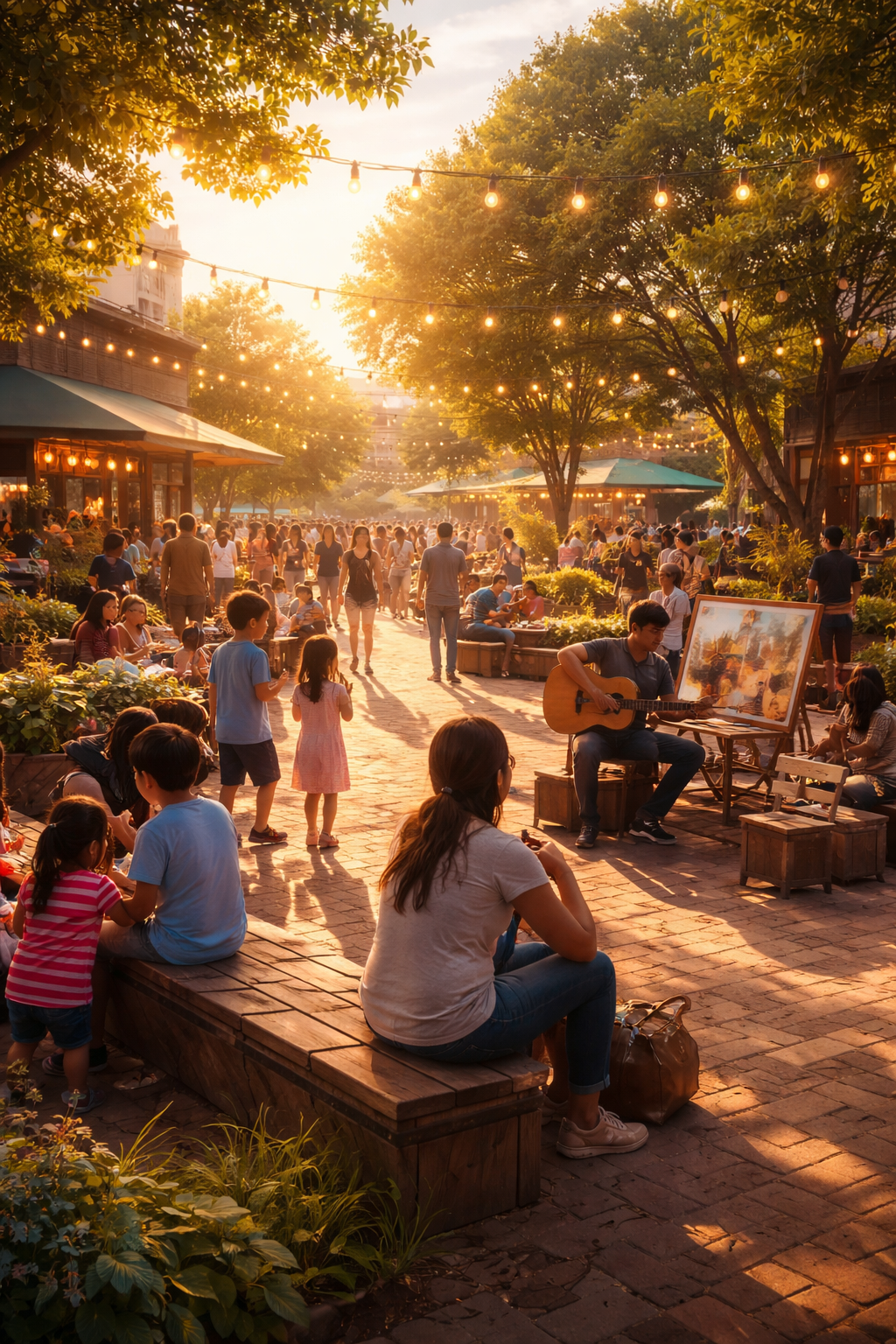
Windland™ is designed to be lived in — not merely visited or observed.
It is a place where people participate in everyday life, recognise themselves in the environment around them, and feel connected to something shared.
Everyday involvement through events, public spaces, and shared experiences that invite people in rather than organise them from a distance.
Participation
Culture, creativity, and local story are woven into place, allowing people to see themselves reflected in the spaces they move through.
Identity
Environments that feel welcoming, legible, and human — designed so people know where they fit and feel comfortable staying.
Belonging
Youth & creative pathways
Clear, visible routes for young people and creators to move from interest into opportunity, expression, and contribution.
This is what gives Windland™ its human centre — a place shaped around people first, where culture and community are part of everyday life.
Reinvestment as Infrastructure
In Windland™, reinvestment is not an outcome
— it is part of the design.
Value generated through activity, participation, and success is structured to flow back into the place itself, strengthening the environments and pathways that made it possible.
Circulating value
Energy, creativity, and success move through people and places, reinforcing opportunity rather than being extracted and displaced.
Shared prosperity
Growth is designed to be felt across the region — supporting community confidence, continuity, and participation over time.
Long-horizon benefit
Decisions are shaped for durability, ensuring today’s activity contributes to lasting regional strength rather than short-term gain.
This is how Windland™ turns momentum into stability
— and success into something that lasts.
A Model Designed to Scale
Windland™ is built as a working prototype — a place designed to demonstrate principles that can be applied elsewhere, rather than a one-off solution tied to a single location. Its structure allows the model to be understood, tested, and adapted without being copied wholesale or transplanted indiscriminately.
The same design logic can be applied in different regional contexts, shaped around local culture, assets, and needs.
Other Regions
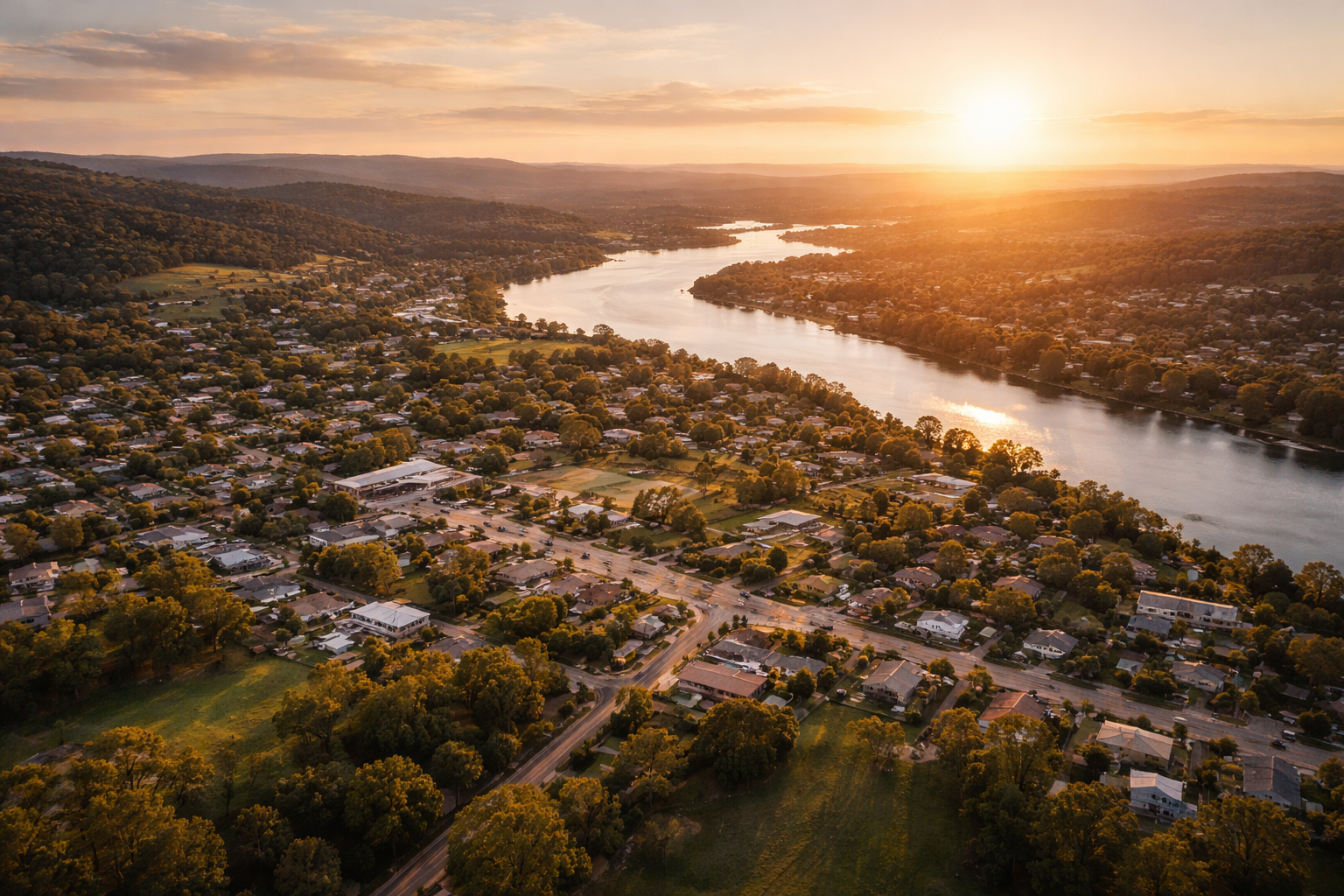
The principles underpinning Windland™ are transferable across borders, offering a framework that can respond to different economic, cultural, and civic settings.
Other Nations
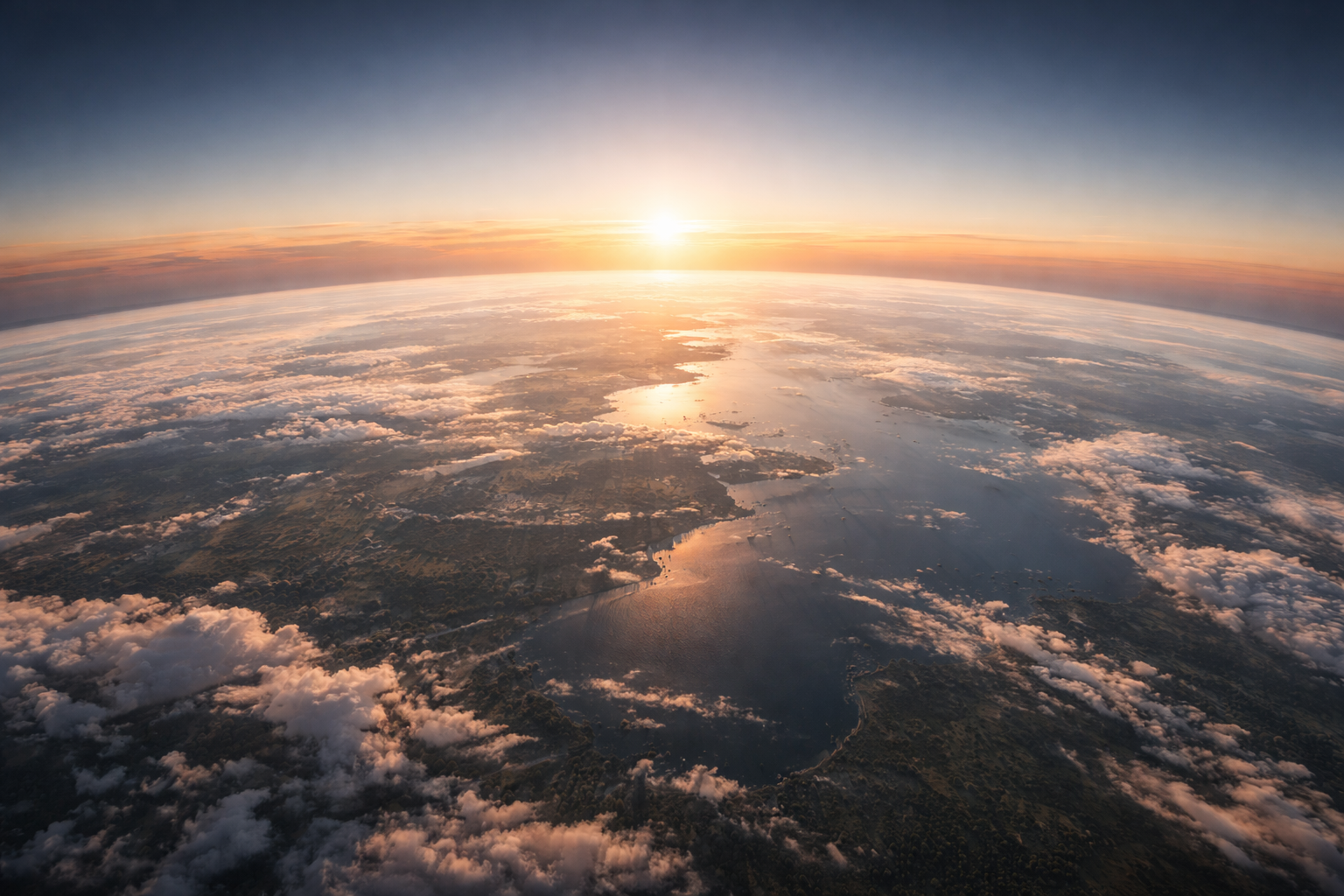
Windland™ scales as a place. The model scales as a method — shared foundations adapted to local identity and circumstance.
Adapted Locally
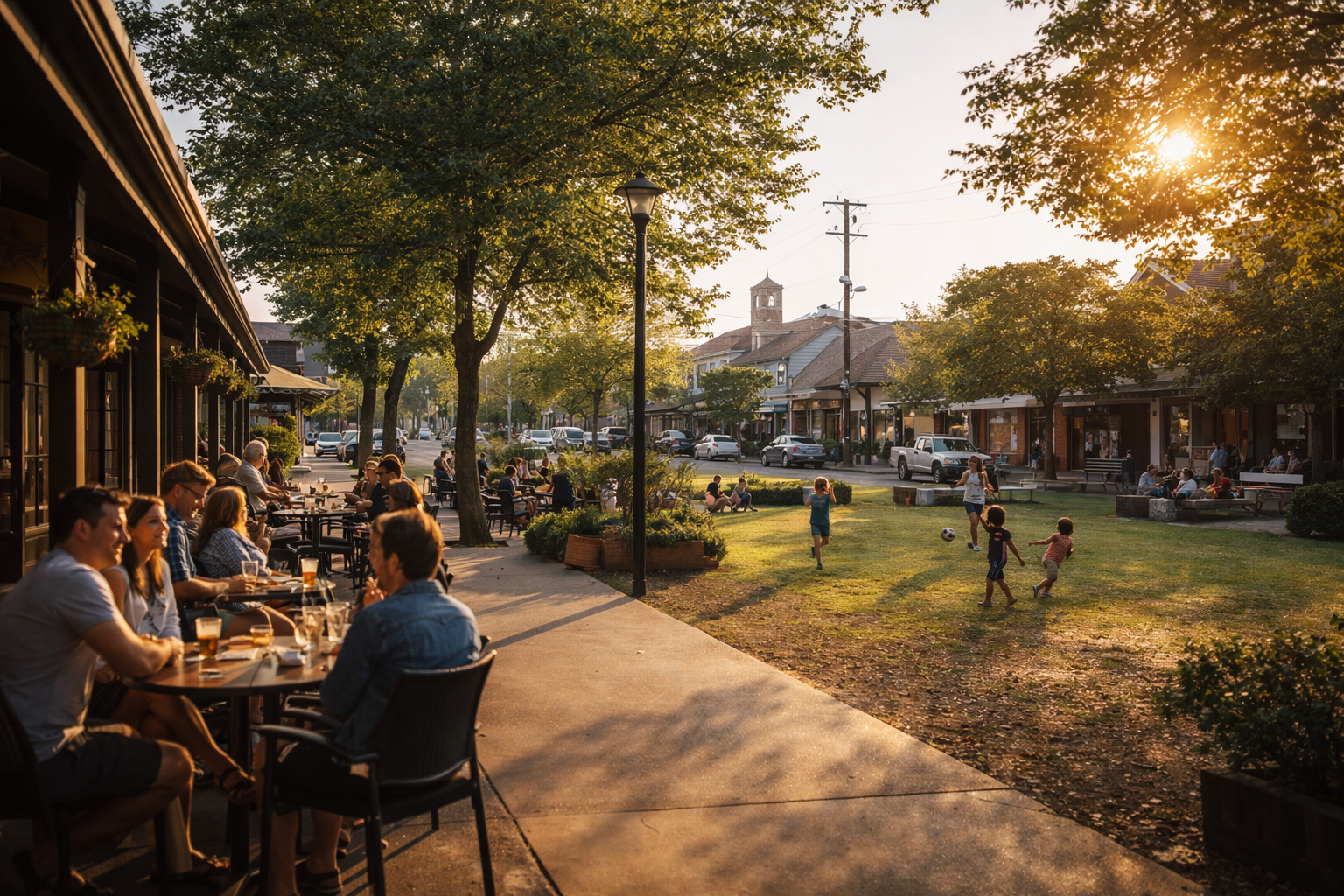
This keeps Windland™ future-facing while remaining grounded in the place where it is being proven.
How Windland™ Connects to GSM™
Windland™ is where Global Stage Management™ operates in the real world — translating GSM’s frameworks from principle into place, and anchoring its global system from a lived regional base.
It connects into GSM’s wider system architecture, aligning culture, participation, and long-horizon design within a live regional environment.
Through Club GSM, individuals and organisations can engage with Windland™ as part of a broader national ecosystem — contributing, participating, and moving through shared pathways rather than isolated projects.
In this way, Windland™ functions as both a local place and a national interface — grounding GSM’s systems in lived reality while remaining connected to the wider national framework.
Explore Further
For those wishing to explore participation pathways or understand the wider system architecture, the following sections provide additional context.